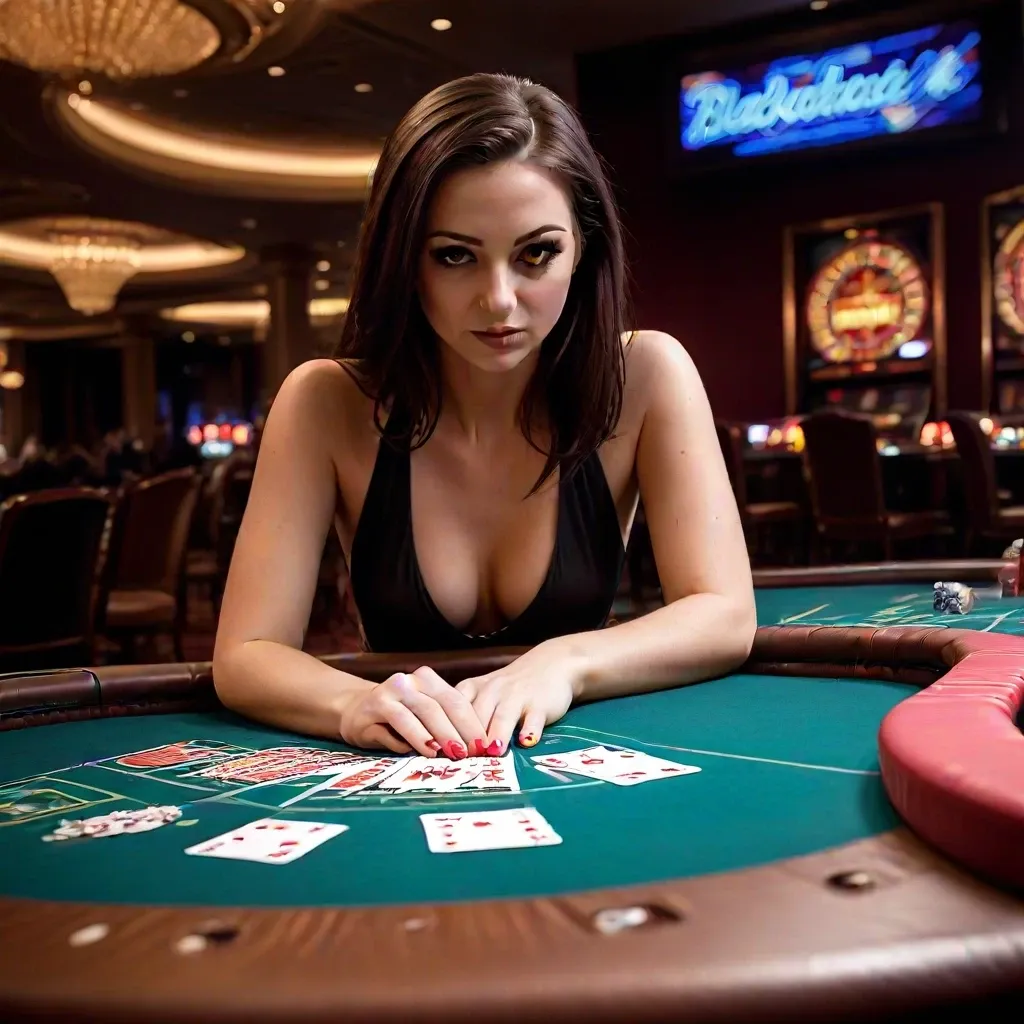
The flashing lights, the clatter of chips, the intoxicating aroma of potential riches – casinos are engineered to stimulate. I once saw a man, let’s call him Tony, hit a remarkable run at the blackjack table. Three hands, then five, then an unbelievable eight in a row. A small crowd gathered, mesmerized by his apparent Midas touch. He was up thousands. Then, the tide turned. A loss. Another. And another. Instead of walking away with his winnings, Tony, fueled by a potent cocktail of adrenaline and a desperate desire to reclaim his “streak,” doubled down, tripled down, mortgaging his initial success on the altar of the gambler’s fallacy. He ended the night with nothing. Tony’s story isn’t unique. The allure of casino streaks and the perilous act of chasing losses are traps that ensnare many. Understanding the cognitive biases at play is the first step to protecting oneself from a similar fate.
The Illusion of Control: How Streaks Trick Your Brain
The human brain is a master of pattern recognition, a trait honed over millennia for survival. This innate ability, however, can lead us astray, particularly when confronted with randomness. The allure of streaks – be it in sports, the stock market, or casino games – often stems from the illusion that these sequences are predictable and, to some extent, controllable. This perception is a cognitive trap, springing from our brain’s hardwired desire to find order in chaos.
The Brain’s Pattern-Seeking Tendencies
Our brains are wired to identify patterns. This ability, known as pattern recognition, is not a flaw but a fundamental cognitive tool. From recognizing faces to predicting weather patterns, our ancestors relied on this skill for survival. Evolutionary psychology suggests that this inherent drive to detect order, even in the absence of true patterns, is a deeply ingrained heuristic – a mental shortcut that allows for quick decision-making. However, this beneficial trait can become a liability in situations governed by chance. For instance, when encountering a series of similar events, the brain may incorrectly assume a causal relationship, leading to flawed judgments. This bias is what makes people believe that past lottery numbers are more likely to occur again.
Randomness vs. Perceived Patterns
In reality, randomness lacks inherent patterns. Each event in a truly random sequence is independent of the ones that came before. Yet, our minds struggle to accept this concept. Consider a roulette wheel: even if red has landed five times in a row, the odds of red or black landing on the next spin remain virtually 50/50. This is because casino games like roulette rely on random number generators (RNGs), ensuring unpredictability. However, the gambler, spotting the streak of red, may fall prey to the gambler’s fallacy – the belief that because red has appeared frequently, black is “due” to appear soon. Casinos often leverage this psychological vulnerability in their design, creating environments that enhance the feeling of control. The flashing lights, the sounds of winning, and even the layout of the gaming floor can contribute to this illusion, further blurring the line between randomness and perceived patterns.
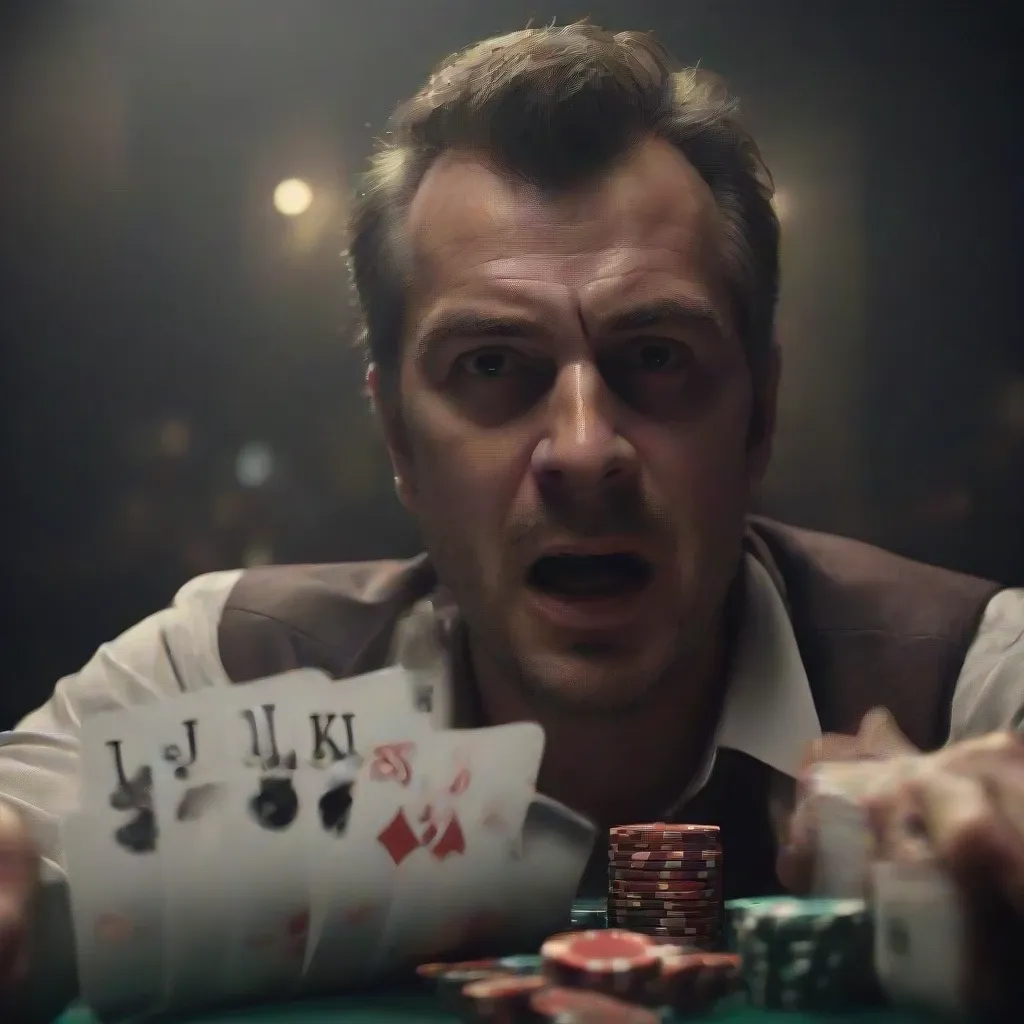
Common Gambling Fallacies and How to Spot Them
The Gambler’s Fallacy: ‘It’s Due to Change’
The gambler’s fallacy is the mistaken belief that if something happens more frequently than normal during a given period, it will happen less frequently in the future (or vice versa), even when such events are independent of each other. It’s a cognitive bias where individuals believe that past events affect the probability of future events, particularly in random processes.
A classic example is flipping a coin. If a coin has landed on heads five times in a row, the gambler’s fallacy suggests tails is ‘due.’ It’s like the universe is trying to settle the score and even things out. People often assume that because heads have appeared so many times, tails must be more likely to appear next. However, each coin flip is an independent event. The odds are still 50/50 for each flip, irrespective of the previous results. The coin has no memory, and past outcomes do not influence future ones.
The Hot Hand Fallacy: Riding the ‘Winning Streak’
The hot hand fallacy is the belief that a person who has experienced success with a random event has a greater chance of further success in additional attempts. This is often seen in sports, where fans and even players believe that a basketball player who has made several shots in a row is more likely to make their next shot.
Believing in a “winning streak” can lead to irrational betting or decision-making. While confidence and momentum can play a role in performance, attributing success solely to a ‘hot hand’ ignores the underlying probabilities and the influence of other factors like defense, fatigue, and random chance. It’s tempting to think someone is on a roll, but objectively, the odds often remain the same, regardless of how well they’ve been doing.
The Casino’s Advantage: Exploiting Cognitive Biases
Casinos don’t just rely on chance; they meticulously engineer experiences that exploit our inherent cognitive biases. Through carefully crafted game design, persuasive marketing tactics, and a strategically designed environment, casinos amplify the house edge and keep players engaged. The bright lights, constant sounds, and the illusion of control are all carefully orchestrated to encourage continued betting. For example, casinos may display so-called ‘hot’ and ‘cold’ numbers on roulette to play into the Gambler’s Fallacy, creating the illusion of predictable patterns in a purely random game. The asymmetry is stark: casinos possess a deep understanding of these psychological vulnerabilities, while many players remain unaware of how their decisions are being subtly influenced.
Environmental Cues and Sensory Overload
Walk into a casino, and you’re immediately bombarded with sensory input. Bright, flashing lights compete with the cacophony of slot machines and the murmur of conversations. Free drinks flow freely, and clocks and windows are conspicuously absent. This intense sensory marketing creates a disorienting atmosphere that impairs judgment. The constant stimulation bypasses rational thought, weakening impulse control and contributing to decision fatigue. Players become more susceptible to making impulsive bets as the environment overwhelms their senses.
Game Design and ‘Near Misses’
Casino game design, particularly in slot machines, is a refined art of behavioral conditioning. “Near misses” – where the symbols almost align for a win – are a prime example. These near misses activate the same reward centers in the brain as actual wins, creating a powerful illusion that players are on the verge of hitting the jackpot. This phenomenon is rooted in operant conditioning, specifically variable ratio reinforcement. Because wins are unpredictable, but near misses suggest proximity, players are encouraged to keep playing, driven by the false hope that the next spin will be the winning one. The anticipation outweighs logic.

Breaking the Cycle: Strategies for Responsible Gaming
The allure of a win can be powerful, but responsible gaming is about understanding risk and exercising self-control. Chasing losses is a dangerous trap that can quickly spiral out of control. It’s vital to arm yourself with strategies to avoid this pitfall and maintain a healthy relationship with gaming.
Setting Limits and Sticking to Them
Effective budgeting is the cornerstone of responsible gaming. Before you even start, decide on a specific amount you’re willing to spend, and consider this entertainment money that you’re prepared to lose. Treat it like buying tickets to a show. Once it’s gone, it’s gone. Don’t be tempted to dip into other funds or chase after recouping losses. Utilize the tools available to you. Many casinos and online platforms offer options to set spending limits, deposit limits, and even time limits. Take advantage of these features to reinforce your self-discipline. Treat time like money: decide how long you will play, and stick to it. There are apps designed to keep track of your time: use them. Remember, gaming should be a source of amusement, not a financial burden.
Recognizing Warning Signs and Seeking Help
Awareness is the first step toward addressing problem gambling. Be honest with yourself and watch out for these warning signs. Are you spending more money or time gambling than you intended? Are you borrowing money or selling possessions to fund your gambling? Are you lying to loved ones about your involvement? Are you neglecting responsibilities at work, school, or home? Do you feel restless or irritable when trying to cut down or stop gambling? If you answered yes to any of these questions, it’s important to seek help. Gambling addiction is a serious issue, and there are resources available to support you because it is easier to succumb to chasing losses when you are stressed or emotionally vulnerable. Support groups can provide a safe and understanding environment to share experiences and learn coping mechanisms. Therapy, such as cognitive restructuring, can help you change negative thought patterns and develop healthier behaviors. Remember, seeking help is a sign of strength, not weakness.
Long-Term Strategies for Smart Gaming
Sustaining smart choices in casino gaming for the long haul requires more than just fleeting willpower. It’s about building a foundation of knowledge and self-awareness that protects you from the pitfalls of the casino environment. Think of it as developing mental armor against common gambling heuristics and cognitive biases that can cloud your judgment.
Educating Yourself About Cognitive Biases
Understanding cognitive biases is paramount. These are essentially thinking errors that our brains make, often subconsciously, leading to irrational decisions. For example, the gambler’s fallacy – believing that a losing streak makes a win more likely – is a classic. Confirmation bias might lead you to only remember your wins and forget your losses, creating a false sense of skill. The availability heuristic can make you overestimate the likelihood of rare events simply because you’ve recently heard about them. Learning to identify these biases in real-time is a powerful tool for making more rational bets.
Embrace Humility
Humility is a surprising but essential ingredient for responsible gambling. Recognizing that you don’t know everything, and that luck plays a significant role, can prevent overconfidence and reckless betting. Many seasoned players understand that no matter how much experience they have, they are not immune to mistakes. Accepting this uncertainty allows you to approach casino gaming with a healthy dose of caution and respect, which are critical for long-term responsible play.
Conclusion
In essence, the allure of streaks, that captivating feeling of being on a roll, is often a mirage woven by our own minds. Cognitive biases and gambling fallacies can severely cloud judgment, leading to poor decisions and potential financial strain. Recognizing these mental traps is the first, and perhaps most crucial, step towards responsible gaming.
Cultivating self-control, understanding the true nature of randomness, and making informed decisions based on facts, not feelings, are essential tools in navigating the world of chance. Don’t let the illusion of a hot streak dictate your actions. If you or someone you know is struggling with problem gambling, remember that help is available and seeking assistance is a sign of strength. By sharing this information, we can collectively promote a more informed and responsible approach to gaming, ensuring it remains a source of entertainment, not a path to regret.