
Remember that unbelievable moment when a shot, seemingly out of nowhere, rockets into the top corner of the net? That’s the magic of an NHL snipe. A top-corner shot isn’t just luck; it’s a display of skill, precision, and understanding of hockey shooting mechanics. As someone who’s spent countless hours honing the art of goal scoring, I can tell you the satisfaction of placing the puck perfectly where the goalie can’t reach is unmatched.
This guide is dedicated to helping you master the art of top-corner snipes. We’ll break down the essential elements of a great shot, from stance and puck handling to weight transfer and release. Whether you’re a seasoned player looking to refine your technique or just starting your hockey journey, you’ll find actionable insights to elevate your game and start lighting the lamp with impressive regularity. Get ready to unleash your inner sniper!
Defining the “Snipe”: What Makes a Top-Corner Shot Special?
In the fast-paced world of hockey, where split-second decisions can change the game, certain terms capture the essence of skill and precision. “Snipe,” describing a top-corner shot, embodies this perfectly. More than just a shot, a true snipe is a fusion of accuracy, velocity, and cunning placement, aiming for the upper reaches of the net, often nestling just under the crossbar – the coveted “top shelf.” The term itself might evoke the image of a sniper, a marksman of the highest caliber, mirroring the precision required to execute such a shot. A snipe isn’t just about scoring; it’s about demoralizing the opposition. The visual of the puck rocketing into that tiny space, combined with the distinctive “ping” as it goes “bar down,” reverberates through the arena, a testament to the shooter’s skill. Its effectiveness goes beyond power; goalies struggle to anticipate and react to snipes due to the quick release and pinpoint accuracy, making them incredibly difficult to stop. It’s the kind of shot that makes highlight reels and breaks spirits.
The Art of Deception in Sniping
A crucial element elevating a good shot to a true snipe lies in deception. Sniping is not just about power or placement; it’s about fooling the goalie. Skilled players often employ a variety of techniques to mislead the netminder, such as subtle changes in their shooting angle, a quick fake shot to make a goalie move, or even a slight hesitation before releasing the puck. This manipulation throws off the goalie’s anticipation, opening up that tiny window of opportunity in the top corner. The satisfaction of watching a goalie bite on a fake, leaving the top shelf exposed, then burying the puck exactly where you intended, is unmatched. It’s a cerebral game within the physical one, and deception is a sniper’s most potent weapon.
The Anatomy of a Perfect Snipe: Techniques and Mechanics
Mastering the art of the “snipe,” that perfectly placed shot that nestles snugly into the top corner of the net, requires more than just brute force. It’s a symphony of coordinated movements, a dance between technique and instinct. The core elements of a successful snipe are a balanced stance, a controlled grip, precise puck positioning, efficient weight transfer, and a decisive follow-through. Think of each element as a note in a musical piece; played individually, they’re simple, but combined, they create harmony.
Let’s break down the fundamentals. Start with your stance – feet shoulder-width apart, knees bent, maintaining a low center of gravity. Your grip should be firm but relaxed, allowing for maximum wrist mobility. Puck position is crucial; generally, start with the puck in the middle of your body, slightly closer to your back foot. As you initiate the shot, transfer your weight from your back foot to your front foot, loading the stick with potential energy. Finally, explode through the puck, extending your arms towards your target and finishing with a full follow-through. The magic happens with the quick release, catching the goalie off guard.
Personally, I always found that visualizing the exact spot I wanted the puck to hit, almost painting a picture in my mind, significantly improved my accuracy. It’s not just about power; it’s about precision and deception. Different shot types lend themselves to different situations. While a booming slap shot might be tempting, a well-placed wrist shot or snap shot is often more effective for those top-corner snipes.
Maximizing Power and Accuracy: The Wrist Shot
The wrist shot is the bread and butter of the sniper’s arsenal. To truly maximize its effectiveness, focus on loading the stick properly. As you cradle the puck, transfer your weight back, creating tension in the stick like drawing back a bow. Think of it as coiling a spring – the more you coil, the more power you’ll unleash. The key is to keep the puck close to your body, maintaining control and disguising your intentions.
As you shift your weight forward, explode through the puck, rolling your wrists over and snapping them shut. This motion generates the majority of the shot’s velocity. Maintaining accuracy requires a focused mind and a smooth, controlled motion. Keep your eye on the target and follow through completely, pointing your stick towards where you want the puck to go.
One common mistake is trying to muscle the puck, resulting in wild, inaccurate shots. Another is failing to transfer weight effectively, robbing the shot of its power. The most important lesson I have learned is that consistency is born from repetition. Practice these techniques diligently, and you’ll see a dramatic improvement in your wrist shot’s power and accuracy. Focus on fluid movements and weight transfer, let your stick do the work, and you’ll find those top-corner snipes becoming second nature.
Snap Shot Secrets: Unveiling Quick-Release and Misdirection
The snap shot is the ultimate weapon for quick releases and deceptive plays. Unlike the wrist shot, which involves a longer wind-up, the snap shot is all about generating power in a compact motion. Start with the puck slightly off to the side of your body, near your back foot. Instead of a full weight transfer, use a quick push-pull motion with your hands, snapping your wrists and using the flex of the stick to propel the puck forward.
Misdirection is where the snap shot truly shines. By subtly changing the angle of your stick or your body position, you can deceive the goalie into anticipating a different shot. Look one way, shoot another. A slight head fake or a subtle shift in your weight can throw off the goalie’s timing and create an opening where none seemed to exist. The key is to sell the fake, making it look as convincing as possible.
From my viewpoint, snap shot is incredibly useful in tight situations and in getting a shot off quickly before the defense can react. However, I have realized that the secret lies in the details – those subtle cues that can make all the difference between a routine save and a highlight-reel goal. It’s a fun tool when mastered and when you want to make those goals happen.
Reading the Goalie: Identifying and Exploiting Weaknesses
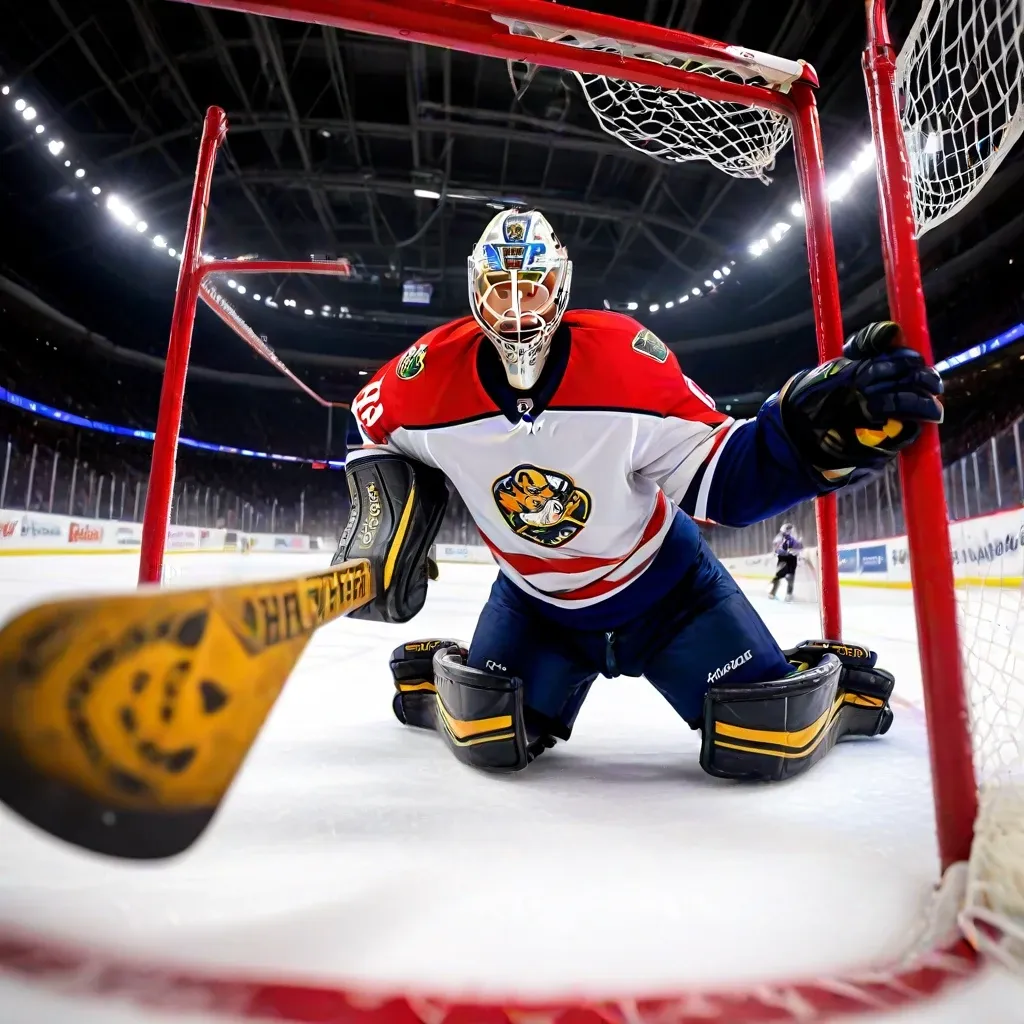
Goalie analysis is a critical component of any effective hockey strategy. It’s about more than just seeing where the netminder is positioned; it’s about understanding their tendencies, anticipating their movements, and exploiting their vulnerabilities to find the shooting lanes. Start by observing their stance, how they hold their glove, and their reaction time to different types of shots. In my time, I noticed that many goalies favor one side; for example, are they quicker to react to shots on their glove side or blocker side? Do they drop early, potentially opening up the top corners? Recognizing these habits is the first step. Many inexperienced goalies struggle with high shots on the glove side. During the play, watch for where the goalie is focused and how they react to passes across the crease. If they consistently overcommit to the initial shot, a quick pass can leave them completely exposed. Anticipating these openings leads to more goals. Paying attention to these details allows you to elevate your game and convert opportunities.
Mastering the Art of Decoys and Passes
Passing plays are a potent weapon for dismantling even the most seasoned goalies, often leading to high scoring chances. A well-executed pass can completely shift the goalie’s focus, creating an open lane for a teammate. One effective tactic I’ve used is setting up a teammate as a decoy. The goalie anticipates a shot from the decoy, leaving them vulnerable when the puck is quickly passed to you for a snipe shot. Good hockey formations is key to effectiveness of passing. By using this maneuver, you increase scoring efficiency. Remember, hockey is a team sport, and a smart pass is often more effective than a contested shot.
Training for Top-Corner Accuracy: Drills and Exercises
Mastering the art of sniping top-corner shots in hockey demands dedicated training. These drills focus on enhancing accuracy, power, and consistency, transforming hopeful shots into dependable goals. Repetition is key; consistent practice ingrains proper technique and builds the muscle memory needed for game-time success.
Drill 1: The Target Practice Trio
Set up three targets in each of the top corners of the net. Start close, focusing on hitting each target with precision. As accuracy improves, gradually increase the distance. Vary the shot type – wrist shot, snap shot, and slap shot – to develop versatility. Remember to maintain proper form. A stable base, a smooth transfer of weight, and a focused release point are essentials.
Drill 2: Quick Release Challenge
This drill emphasizes speed and accuracy under pressure. Have a partner feed you pucks in quick succession. Focus on getting your shot off as quickly as possible while still aiming for the top corners. This simulates the chaotic environment of a game and forces you to react and shoot instinctively.
Drill 3: The Figure-Eight Finisher
Skate a figure-eight pattern, receiving a pass at the top of each loop. As you receive the pass, quickly transition into a shooting position and fire a shot at the top corner. This drill combines skating, puck handling, and shooting, mirroring the dynamic movements of a real game.
Consistency is paramount. Incorporate these drills into your regular training schedule, gradually increasing the difficulty and intensity as your skills develop. With persistent effort and focused practice, those top corners will become your personal playground.
Off-Ice Training: Enhancing Shooting Skills at Home
Don’t limit your training to the ice. Off-ice workouts are crucial for developing the strength, balance, and coordination needed for a powerful and accurate shot. Focus on exercises that strengthen your core, legs, and upper body. A strong core provides stability and allows for efficient transfer of power from your legs to your arms. Exercises like planks, Russian twists, and medicine ball throws are ideal.
Enhance sport performance with perfectly executed off-ice training. Implement core exercises to improve body balance needed for optimal snipes. Core strength isn’t just about abs; it’s the foundation for every explosive movement on the ice. When I started focusing on this it translated to a noticeable increase in my shot velocity and pinpoint top-corner accuracy. Remember, every hour honing your balance and coordination off the ice is an investment in your goal scoring potential.
The Mental Game: Confidence, Visualization, and Execution
Becoming a truly lethal sniper in hockey isn’t just about physical skill; it’s a mental battleground. Mental toughness separates good players from exceptional ones, especially when the game is on the line. A dominant performance mindset, fueled by unwavering confidence and sharp visualization techniques, is essential to bury the puck when it matters most.
Confidence building starts with belief: belief in your abilities, your training, and your potential. Cultivate a positive mindset, focusing on past successes and visualizing future triumphs. When pressure mounts during key moments, this inner reservoir of self-assurance provides a crucial edge. Effective visualization involves mentally rehearsing successful snipes. See the puck leaving your stick, picture its trajectory, and feel the satisfying snap as it hits the back of the net. This mental practice translates to smoother, more instinctive execution on the ice. By mastering the mental game, hockey players can elevate their sniping abilities to new heights.
From Practice to Game: Translating Skills to Real-Time Situations
The transition from structured practice drills to the unpredictable chaos of a game can be jarring. Success hinges not only on mastering fundamental skills but also on effectively applying them when the clock is ticking and the stakes are high. This involves cultivating a keen understanding of game strategy and optimizing in-game performance.
A crucial component is developing strong hockey IQ – the ability to read the play as it unfolds. This means anticipating passes, recognizing scoring opportunities before they materialize, and understanding your teammates’ and opponents’ tendencies. Constant observation and mental rehearsal during practice sessions contribute significantly to this skill.
Decision making becomes paramount under pressure management. Hesitation can be costly. Train yourself to quickly assess the situation, weigh your options, and commit to a course of action. Simulate game pressure in practice through timed drills and competitive scenarios.
Adaptability is also key. Every game presents unique challenges and requires adjustments. What worked in the first period might not be effective in the second. Be prepared to modify your approach based on the flow of the game and your opponent’s strategies.
Maintaining focus and composure is equally vital. The ability to block out distractions, stay present in the moment, and manage emotions can be the difference between success and failure. Develop mental strategies such as deep breathing or positive self-talk to center yourself during stressful situations.
Adversity is inevitable. A bad call, a missed opportunity, or a tough opponent can all throw you off your game. The ability to bounce back quickly and refocus on the task at hand is a hallmark of successful players. Cultivate resilience by learning from mistakes and viewing setbacks as opportunities for growth.
Advanced Techniques to Elevate Your Snipe Game
Being consistently ahead of the curve demands more than just practice; it requires a deep dive into advanced techniques. The snipe game isn’t just about raw power; it’s a sophisticated blend of precision, strategy, and mindset. One of the most impactful adjustments I made during my time on the ice was focusing on varying my shot styles. Instead of always going for the hardest shot, I started mixing in quick releases, deceptive wrist shots, and well-placed snapshots. This kept goalies guessing and significantly improved my scoring opportunities. Furthermore, body coordination plays a key role; seamlessly transferring weight and maintaining balance throughout the shot enhances both accuracy and power. A pro mindset involves cultivating unwavering confidence and the ability to remain calm under pressure, visualizing success before each shot.
Mastering the snipe game also includes understanding the nuances of different zones on the ice and adjusting your shot selection accordingly. Developing patience and exploiting defensive breakdowns are crucial skills that set elite snipers apart. A strategic approach, combined with refined technique and mental fortitude, transforms you from a good shooter into a consistent scoring threat.
Utilizing Data Analytics for Snipe Optimization
In today’s game, data is king. When I wanted to optimize my sniper abilities, I began meticulously tracking my shots. This included everything from shot location and type to success rate and goalie tendencies. By analyzing these performance indicators, I identified patterns and areas for improvement. For instance, I discovered that my shooting percentage from the high slot was significantly lower than from the face-off circles. Armed with this knowledge, I dedicated extra practice time to improving my shot from that specific area. Over time, this data-driven approach led to a noticeable increase in my overall scoring rate.
Conclusion
Mastering the art of the snipe in hockey is a journey that demands dedication, consistent effort, and a resilient mindset. This guide has provided valuable insights, from refining your shooting mechanics and understanding puck placement to developing strategic thinking and mental toughness on the ice. Remember, the most lethal snipers are not born overnight; they are forged through countless hours of practice and a relentless pursuit of improvement.
The key takeaways are clear: perfect your technique, analyze your game footage, set realistic goals, and never underestimate the power of mental visualization. Embrace the grind, learn from every shot – whether it finds the back of the net or sails wide – and consistently challenge yourself to push beyond your comfort zone.
Now, it’s time to put these techniques into action. Step onto the ice, armed with newfound knowledge and unwavering determination. Elevate your snipping game, dominate the offensive zone, and become the player every goalie fears.